

Are you sick of being sick?
Are you a middle-aged woman purposely making yourself sick and wanting to learn why you do this and how to stop? Read on for guidance and support...Bulimia; what exactly is it?
You may understand what Bulimia is, or not at all, and that’s ok. Here is the criteria for diagnosis….
Getting diagnosed:
You have several symptoms listed in the eating and feeding disorders below.
This happens at least 3 times a week for 3 months or more.
You don’t have any other condition that causes your symptoms, and it’s not a cultural practice like Ramadan.
You can be of any size.
Severity level: frequency of episodes (Per week
Mild: 1-3
Moderate: 4-7
Severe: 8-13
Extreme: 14 or more (1 & 2).
-
You binge eat: Eat a lot of food in a short period of time (2 hours) and feel out of control (can’t stop).
You then try to get rid of the food (Purging), such as misusing laxatives (taking more than the recommended), dieting, fasting (not eating), self-induced vomiting, excessive exercise (interferes with activities, when injured, and for long periods of time) or use medications (diet pills). You can have one or more of these methods.
You don’t meet the criteria for anorexia (very low weight, and lack of period) and evaluate yourself on your body image. For example, frequently weighing or measuring yourself, avoiding mirrors, photos, tight clothes, etc.
Feel distressed.
Purging type: Regularly try to empty yourself, by self- induced vomiting, and/or other methods.
Non-purging type: Uses behaviours to avoid gaining weight, such as exercise, but you don’t make yourself sick (1 & 2). -
You have Bulimia, but the binge eating happens at a low frequency (on average, less than once a week) for a limited duration (less than 3 months, or on and off for years) (1 & 2).
-
You engage in recurrent purging behaviours to influence weight or shape (as described in Bulimia).
You don’t engage in binge eating, or do so infrequently, or ‘binges’ are a regular amount of food (1 & 2).
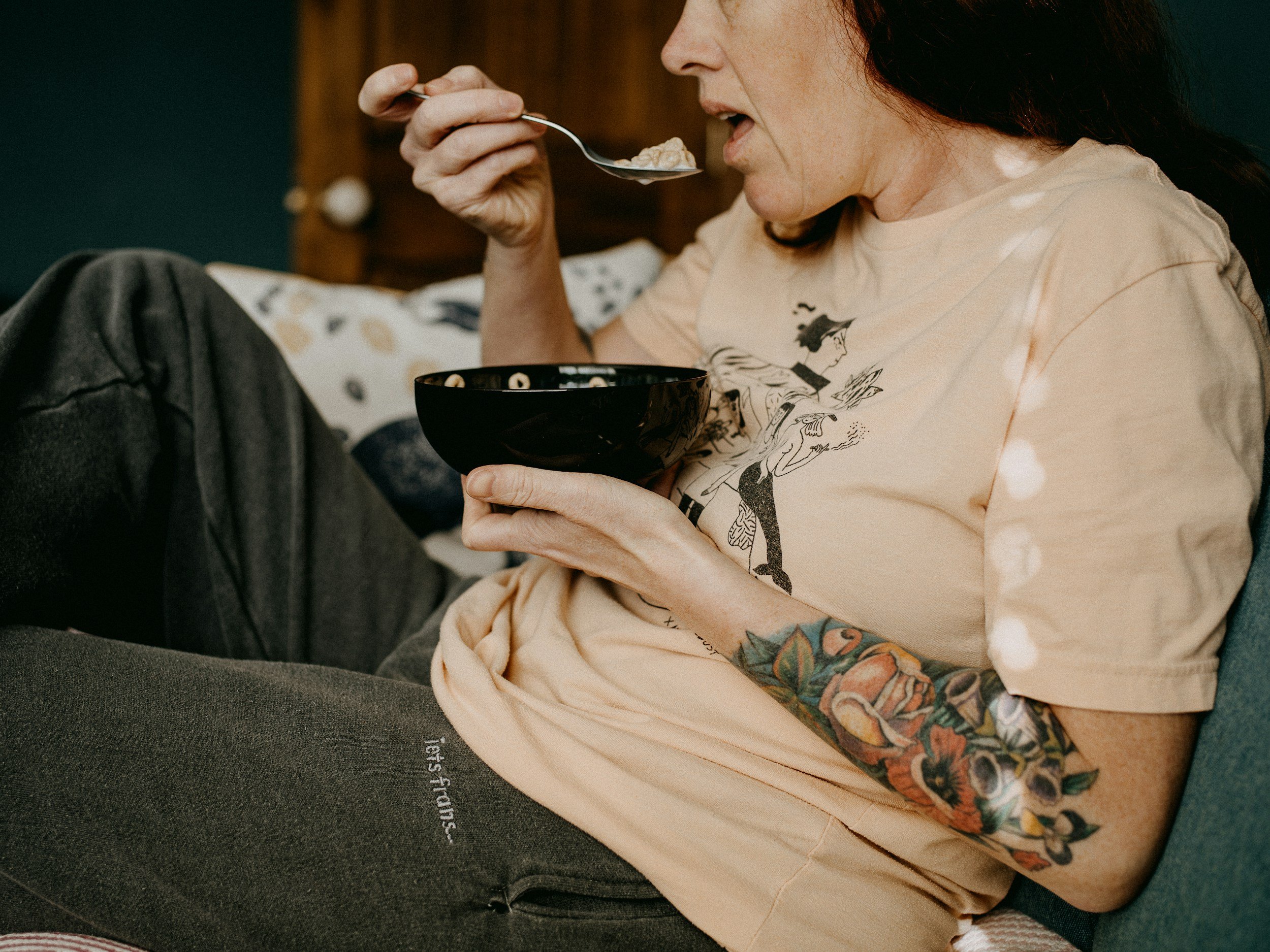
What happens to you when you make yourself sick?
Many individuals with Bulimia feel like it’s not as serious as Anorexia, but it is!
Some of the lesser known effects of bulimia
-
![]()
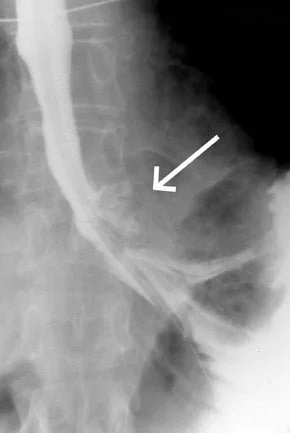
Boerhaave syndrome (Stomach rupture)
Binging can cause extreme stomach stretching, making the stomach split or burst, can lead to death (3 & 4, 13).
-
![]()
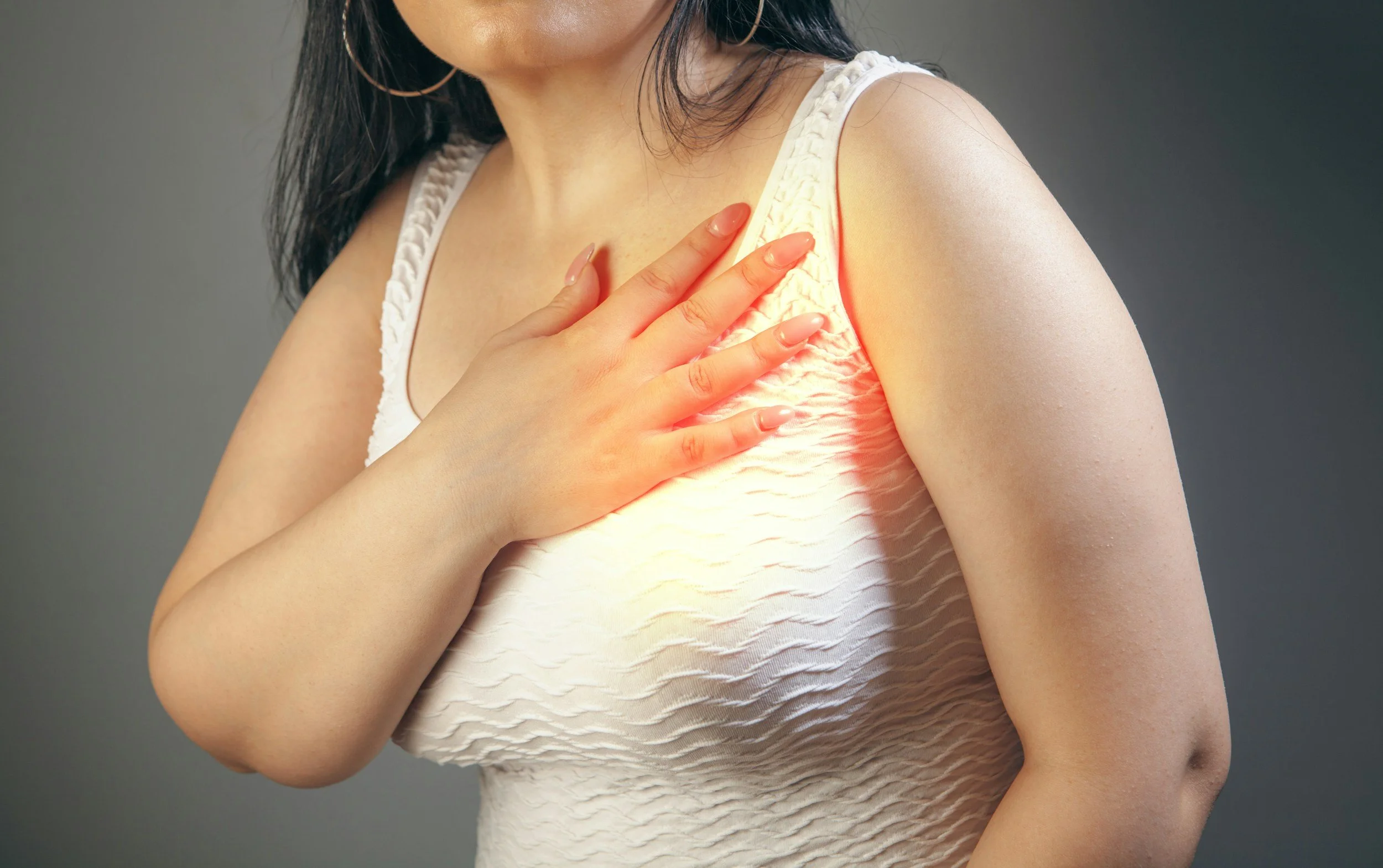
Cardiac arrest
Electrolyte and potassium deficiencies can cause irregular heartbeat, heart failure, and the heart to stop (3).
-
![]()
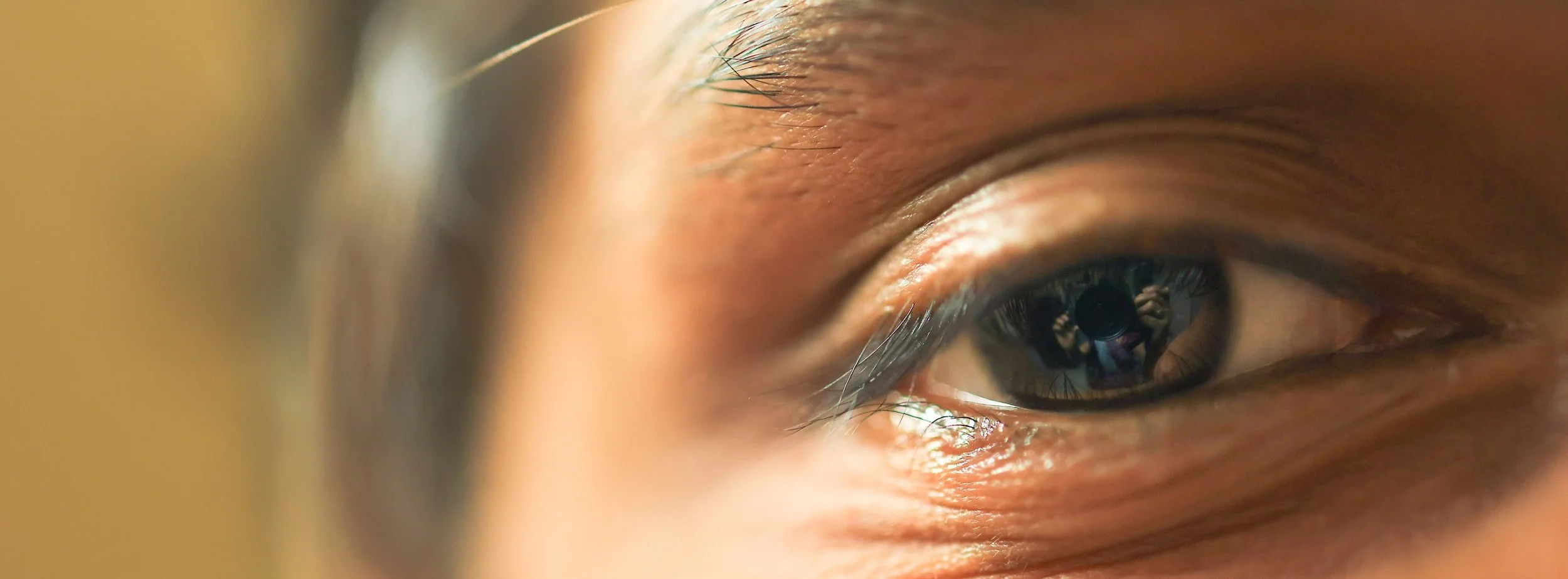
Vision loss
From excessive purging and pressure on the eyes from detached nerves (3).
-
![]()
High & low volume status: (Fluid in your blood)
Too much fluid (hypervolemia), or too little (hypovolemia/dehydration) can be fatal, causing drowning (pulmonary oedema), overwork your heart (Cardiac arrest), and kidney failure (3, 5 & 7).
-
![]()
Hypokalaemia (Low potassium levels)
Can be life-threatening, causing cardiac arrest and kidney disease requiring dialysis (3, 5 & 7).
-
![]()
Hypomagnesemia (Low magnesium levels)
Severe magnesium deficiency can cause seizures and interrupt the heart’s rhythm, as well as personality changes (5 &7).
-
![]()
Low or high serum bicarbonate levels (Acid in blood)
Risk of seizures (3,5 & 7).
-
![]()
Digestive system
Gastroparesis: Stomach stops working, leading to being tube-fed through the heart veins for the rest of your life in severe cases (3).
GERD & Barrett's Oesophagus (cancer risk): Acid backs up the oesophagus, due to weakened sphincter muscle (3 & 6)
Rectal prolapse (Rectum slips out of the bum) from laxative abuse (6).
Kidney failure: Kidney stones and hypoxaemia (Low potassium) can cause kidney failure, resulting in the need for a transplant (3 & 6).
Understanding the cycle of Binge and purging
Do you find yourself gorging on food, feeling bad and then throwing it back up again? This is the binge-and-purge cycle. Here is why it happens….
The feelings
Feel triggered by something in your life and feel stressed.
Restrict your food intake but feel hungry.
Tension builds up with overwhelming thoughts.
Intense dissatisfaction with oneself.
The binge or the eating
You may be feeling hungry or not.
When you start eating, loss of control comes rapidly.
Episodes may be planned or unplanned.
Happens at one setting or over a period of hours.
Not realise how much you eat (dissociate).
Binge in secret.
Eat past your fullness level.
Eat quickly, uncooked food, out-of-date food, or out of a bin.
Might be impulsive.
Develop your own rituals.
The feelings - Guilt
Feeling a strong urge to get rid of the food due to feeling full.
Feel guilty for eating so much.
Fear of gaining weight.
Feel bad about breaking your diet rules.
The purge
Use your fingers or other instruments to stimulate your gag reflex.
To stop you from gaining weight.
To feel relieved from the fullness.
To experience a ‘high’
Manage your feelings.
Relived tension (8 & 9).
So, how do you get help?
-
![]()
Step 1 : Visit your Doctor
Getting help will give you the best chance of recovery.
Take a friend if you are nervous
Write down your symptoms and what you want to talk about.
You don’t have to be weighed.
Treatment options:
Talking therapies (CBT, DBT, ITP, and ICAT).
Antidepressant medications (Fluoxetine).
Nutrition specialist (dietician) referral.
Eating disorder specialist referral.
Admission to hospital if you are seriously unwell (10 & 12).
-
![]()
Step 2: Normalize eating
Targeting maladaptive eating behaviours and thoughts: Eat when you're hungry, stop when you're full (intuitive eating).
Urge surfing: ride out the feelings after a binge.
Stop dieting (9).
-
![]()
Step 3: Reach out for help online
While you're waiting for your Drs appointment, start helping yourself by visiting helpful websites.
-
![]()
Step 4: Self help activities
Read: Getting Better Bit(e) by Bit(e) by Ulrike Schmidt and Janet Treasure, 1993 (12).
Try to avoid weighing yourself and body checking in mirrors and photos.
Avoid triggering content.
Distract yourself with self-care after eating.
Talk to people you trust (9, 10, &11).


Really useful websites you can visit….
-
Beat
The UK’s largest eating disorders charity.
-
REDcan
An alliance of eating disorder charities across the UK.
-

OBO
Overcoming bulimia online: Self-help.
-
CLL
Centre for Clinical Interventions Australia (Free Self-help guidebooks!)
-
Bodywhys
The Eating Disorders Association of Ireland (Free self-help sources).
-
1 - American Psychological Association. (2013). Diagnostic and statistical manual of mental disorders (5th ed). https://doi.org/10.1176/appi.books.9780890425596
2- World Health Organisation. (2019). International statistical classification of diseases and related health problems (11th ed). https://icd.who.int/
3- Gaudiani, J. l. (2019). Sick enough: A guide to the medical complications of eating disorders. Routledge.
4- Shufeldt, J., Hawkin,s A., & Nichta, C. (2017). Boerhaave Syndrome in a 41-year-old female. J Urgent Care Med. https://www.jucm.com/boerhaave-syndrome-41-year-old-female/
5 – Rosen, E. (2019, October 22). Electrolyte abnormalities and eating disorders. Gaudiani Clinic. https://www.gaudianiclinic.com/gaudiani-clinic-blog/2019/10/22/electrolyte-abnormalities-and-eating-disorders
6 - Forney, K. J., Buchman-Schmitt, J. M., Keel, P. K., & Frank, G. K. (2016). The medical complications associated with purging. The International journal of eating disorders, 49(3), 249–259. https://doi.org/10.1002/eat.22504
7- Puckett, L. (2023). Renal and electrolyte complications in eating disorders: a comprehensive review. J Eat Disord 11, 26. https://doi.org/10.1186/s40337-023-00751-w
8- Hawkins Elder, Hannah & Ward, Tony. (2019). Biological Aspects of the Binge-Purge Cycle.
9- Targowski, K., Bank, S., Carter, O., Campbell, B., & Raykos, B. (2022). Break free from ED: An active guide to recovering from your eating disorder: Module 9: Purging. Centre for Clinical Interventions Australia. www.cci.health.wa.gov.au
10- NHS: National Health Service inform Scotland. (2026). Mental health: Eating disorders: Bulimia. https://www.nhsinform.scot/illnesses-and-conditions/mental-health/eating-disorders/bulimia-nervosa/
11- King's College London (2012). Self-care for bulimia. https://www.kcl.ac.uk/news/spotlight/self-care-for-bulimia
12 - Walsh, T., Attia, E., Glasofer, D. R., & Sysko, R. (2016). Handbook of assessment and treatments of eating disorders. American Psychiatric Association.
13- Image credit. (2010). Boerhaave's syndrome. Appl Radiology. https://www.appliedradiology.com/articles/boerhaave39s-syndrome
Image credits: Unsplash from the Square Space website.
"Any research or evidence quoted is continuously advancing, and any language used in this asset is not intended to stigmatise. If you're affected by anything in this resource, seek help from your GP and primary care team".