
Trash bags: Life in the Foster Care system
Hello readers,
That’s all the interesting essays I wrote from my Access to University course, which I completed in 2021-2022 (Just a reminder to please not to plagiarise my work!). Today, I wanted to share something a little different, an extract I wrote in my diary around 10 years ago, about my experience and feelings living in foster care. I went into foster care when I was 15 until 17, when I moved to England. Whereby I reunited with my older sister. I also did a photoshoot with my children a couple of years later, which Ive put at the bottom of this blog entry.
Trash bags: Life in the Foster Care system
So what’s life like “In the system”, and that’s exactly what it is to some children, it’s a system like a revolving door for some children.
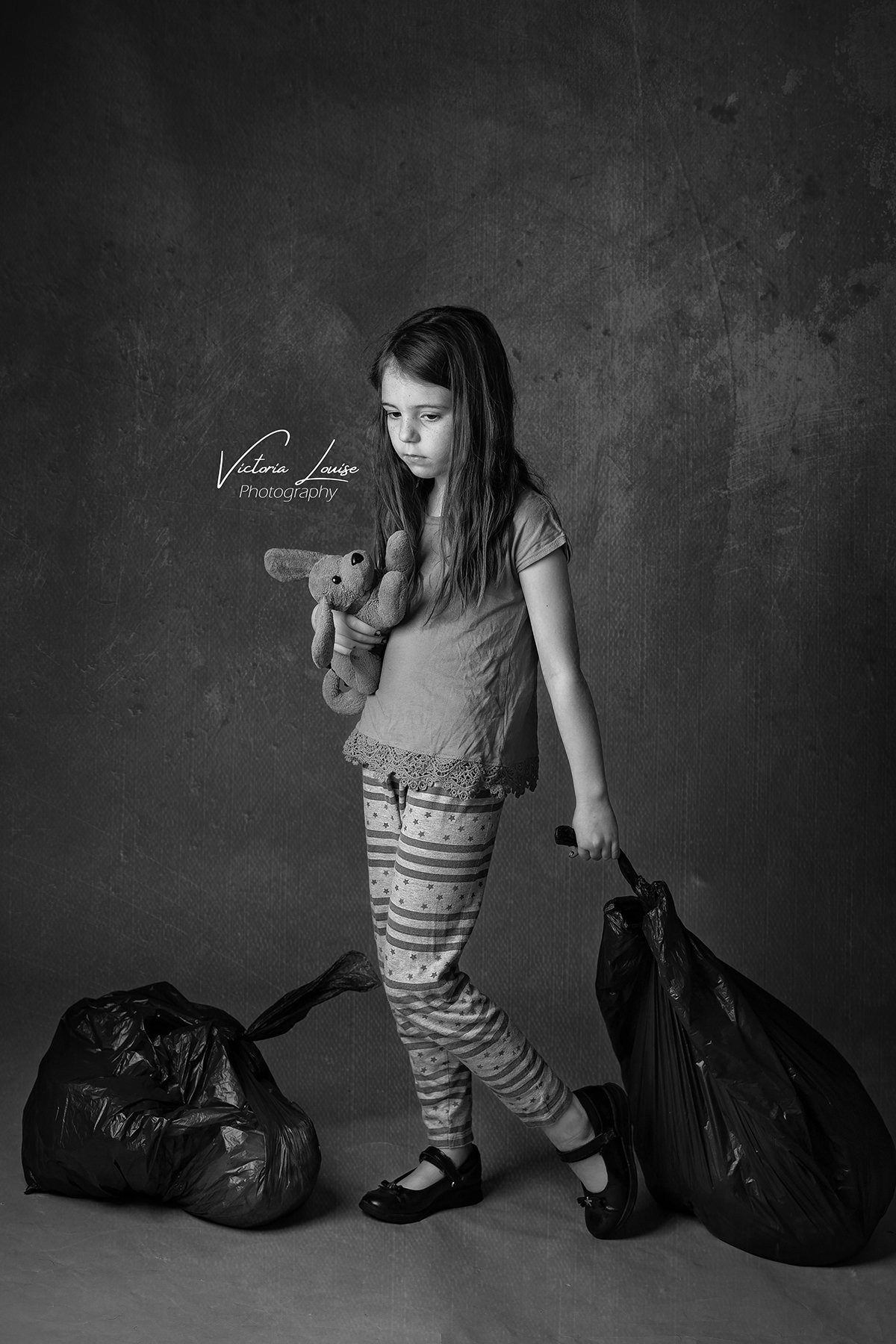
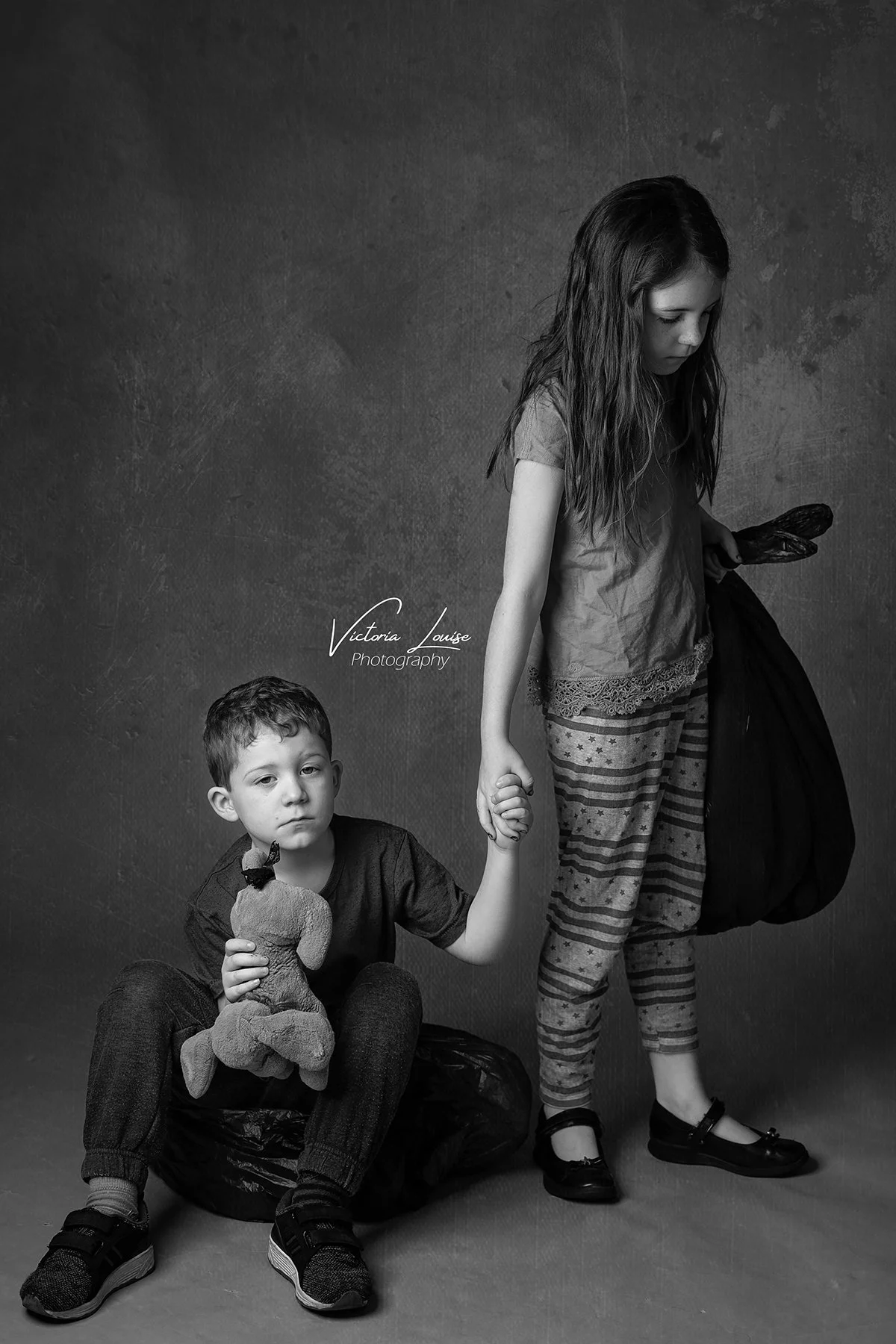
Black bin bags! Due to only having a small amount of belongings and moving around place to place a lot, we simply had black refuse bags to carry our belongings and stuff, and it’s almost like we are “Trash” that we aren’t quite good enough to have a suitcase. Besides, our broke asses wouldn’t be able to afford one anyway!
Its incredibly scary, we leave everything we know behind to this whole new world, even if ours was chaotic and damaging to us. Things can be incredibly triggering and can cause such trauma, which can lead to negative and dangerous behavioural outbursts. This can result in not getting the care and attention that we so desperately need due to our outbursts, and then having a perpetual cycle of Post Traumatic Stress Disorder.
The stigma sucks, you get labelled a “Bad kid” even though it’s the opposite, your parents hurt YOU, but you get told all sorts of awful stuff like “You’ll never amount to anything” sort of phrases.
The thing is, there is a hierarchy in foster care, and basically, you don’t want to be at the bottom; you’ll get burned, and you’ll never get back up!
You learn not to trust anyone because everyone breaks their promises and hurts you, so then you just give up trusting people. You find it hard to connect with others, you feel painfully different and are treated differently from your peers. As things move around so frequently that it’s hard to trust and connect with others when you’re shuffled from home to home.
Your home isn’t yours, because it’s not your home- It’s your foster carer’s house, and it doesn’t feel like your house, even if you are told to make yourself at home as you are in someone else’s space, and you just feel awkward. It takes a lot of time and trust to find a place you truly can call it your own home.
Having to share your room and stuff is hard, mixing with a lot of other kids and adults is hard. There are different ages and personalities. Foster care in general is bloody hard.
Don’t forget our story.
We are hurt and traumatised children.
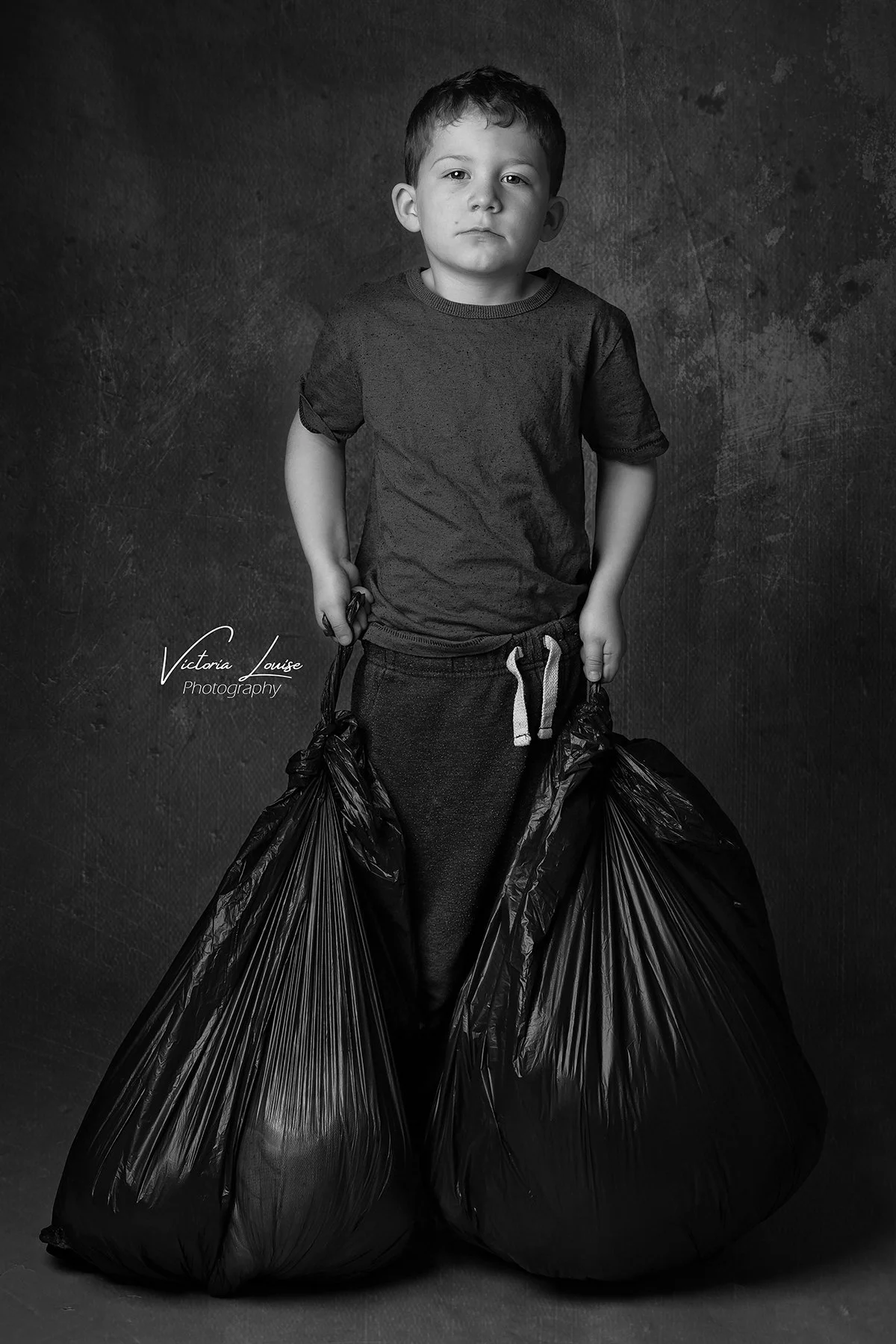
So please remember, children are often not innately bad, don’t judge foster care children. There are numerous reasons why a child may be in foster care. often not from their own choosing (there is a severe lack of foster homes, so this is the last resort).
Some reasons a child may be in foster care:
Family members have abused them.
The parents have been court-ordered not to care for them.
Their parents can’t look after them due to health issues.
The child has been abandoned/neglected by their family.
The home is an unsafe environment (hording/hazardous building).
The parents may be incarcerated.
The parents may be substance users and unfit.
There may be domestic violence happening in the home, and the child has been removed.
The child has additional needs that the parents cannot meet and provide for.
Severe poverty and the child’s needs are not being met.
The child is having behavioural issues due to improper parenting methods.
The child’s single parent has ended their life.
What foster care isn’t: A juvenile centre for ‘Naughty’ children!
How the system works:
Step one: The report - There has been a report of abuse (by the child themself, or someone else), or one of the reasons stated above has occurred, and the authorities are legally bound to investigate the situation.
If this is a court-ordered situation, the authorities (usually police and social services) then forcefully remove the child from the parents or guardians.
Step two: The authorities (social services, police, and other services like safeguarding teams) investigate the situation to determine the best-case scenario for the child.
If the situation is deemed safe, the child will stay at home; if not, alternative provision will be made. For example, if it’s an emergency, they may go into emergency care, or if they have friends or family who can look after them, they may stay with them until the investigation is over.
Step three: The decision - after the investigation is over, a decision is made on where the child will live. The law in the UK says a parent is legally responsible to house their child until they are 16 years old.
If the home is deemed safe to return to, the child will be asked to return home.
If the child refuses to go home, they may either sleep at friends/family’s, or end up on the streets, if they are a teenager. Their parents may report them as missing if they don’t return home, and if they care about them. Then the police are responsible for resolving the situation, by finding the child, encouraging the child to go home or helping find friends/family for the child to stay with. If this is not possible, the next step would be contacting social services and finding emergency housing, as the child has been reported missing and a resolution has not been met. However, sometimes children fall through the system, and the child may find themselves homeless, or in a toxic situation (for example, with an abuser, sex trafficker, drug den ect).
If their parents refuse to have them back, again, the child may couch surf or find themselves on the streets. If the child is under 16, the authorities have an obligation to remind the parents of their responsibility to house their child, by working towards resolving the situation where possible, and encouraging the parents to take the child back, or finding suitable alternative housing, if the situation cannot be resolved. If the child is 16-18, they may be placed in a halfway house, supported living, or temporary housing. Sometimes children fall through the system and find themselves on the streets or in terrible situations.
If the home is deemed unsafe to return to, the authorities (Social Services) are responsible for finding alternative housing arrangements.
The social services’ main aim is to keep the child with family, or close friends, where possible, for the best outcome for the child’s well-being, being close to support, their school, and close to their friends.
If there are no family or friends to look after the child, the child will go into foster care. This may not be the town where they live; it is down to the availability of foster carers, and there is a huge shortage of foster carers. The child may end up in a children’s home, a private foster home, and in and out of various homes, due to difficulties in the system. The child may even run away and end up living on the streets or in another toxic situation if they are a teenager, depending on their trauma and mental health difficulties.
If it is a court-ordered removal, the child will go stay with whom the judge has deemed the child to stay with, if this is family, friends, or foster care. This maybe temporary or long-term.
If the situation at home is resolved after some time, the child may return to their home.
Please note, this is my understanding of life in the system; this may not be accurate.
Final thoughts….
Life in the system can be incredibly tough for children, and I say children, even if they are 15 or 16, because they are still children, albeit teenagers. They still need love and support, and I think adults forget that, and how much of a crucial time it is for a child’s development.
Just because a child hasn’t been court-removed to foster care, they did not voluntarily choose to live in foster care; there are NOT enough foster cares out there, there is a HUGE shortage of foster carers!
Some of the issues in the system with foster carers:
Foster carers are not trained and often find it difficult looking after children with additional needs, or traumatised children.
Financial instability; not having enough money to take on an extra child.
Not having enough support or a support network and facing burnout and cece caring.
Foster carers grow too old and are therefore unable to care for them.
Foster carers develop health issues and are then unable to look after them.
Carers going through unforeseen issues like a job loss, having to care for a relative or experiencing grief ect.
Foster carers do not have the space to take all the children, so siblings are separated.
The child has complex medical issues, and the carers are unable to look after them.
The child is placed far away from their home due to a lack of ability and develops additional issues.
There is an extremely high turnover with case workers, unsettling the child, and additional issues arise.
Individuals do not want to care for other people’s children.
Foster carers don’t realise how hard it is to look after a foster child, or the child causes difficulty for their biological children and ceces working.
Children are being bullied by other people in the home.
The foster home is not fit to be a foster home.
The foster home becomes overcrowded.
So, as you can see, there are several issues going on with the system. It’s not black and white; the system, which is there to help, could in fact, hurt the child more. I implore you not to judge foster children and to be kind.
Phoenix85